
When Americans think about slavery, the picture is often a familiar one: men and women bent over fields of cotton or rice, driven by the lash, forced to labor from…
Category: Slavery

The Divided Pulpit: Pastors Who Preached For and Against Slavery
The American Church Was Deeply Divided, Wielding the Same Bible as Both a Weapon of Oppression and a Tool of Liberation The American pulpit was profoundly divided. Ministers across the…
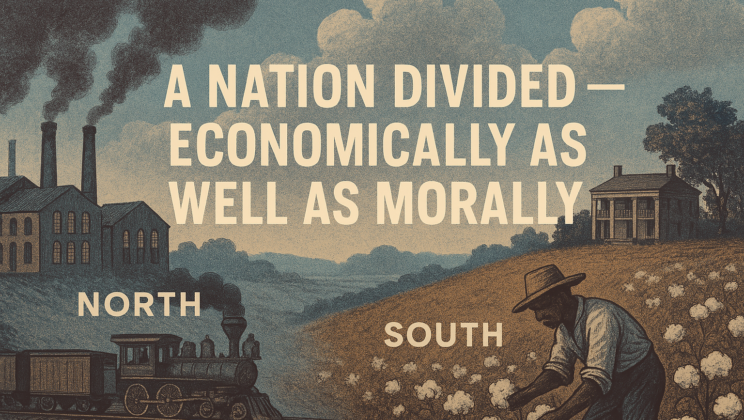
“Tariffs, Taxes, and the Twilight of a Union: How Economic Tensions Shadowed the Road to the Civil War”
While slavery was undoubtedly the engine of this discord, there were other gears grinding in the background—less visible, perhaps, but no less significant. Among them: tariffs and taxes. In this…

To Preserve Slavery, Nothing Was Sacred. Not Even The Bible
The Slave Bible exemplifies how religion was weaponized to sustain slavery. Officially titled Parts of the Holy Bible, Selected for the Use of the Negro Slaves, in the British West-India…
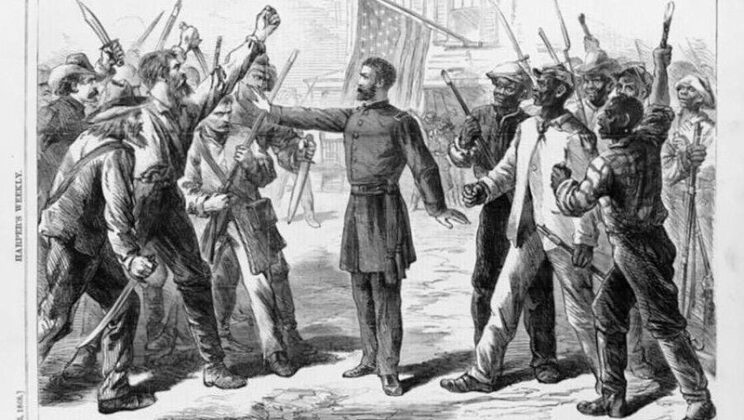
In 1865, Congress Created the Freemen’s Bureau. But, Sometimes, Good Intentions Breeds Detractors.
Establishment The Freedmen’s Bureau was established on March 3, 1865. It was officially known as the Bureau of Refugees, Freedmen, and Abandoned Lands. Congress created it during the closing months…
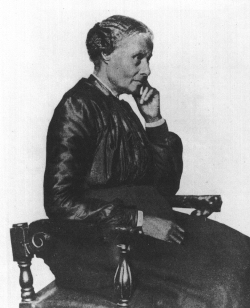
Mary Ellen Pleasant: Pioneer, Entrepreneur, Benefactor
Mary Ellen Pleasant, an African American entrepreneur and abolitionist, is renowned for her efforts in the Underground Railroad and her support of the abolitionist movement. She used her considerable resources…
Civil Rights Act of 1871: Combating the Ku Klux Klan
The Civil Rights Act of 1871, enacted by the United States Congress during the turbulent Reconstruction Era, is a landmark in American legislative history. Its passage was prompted by a…
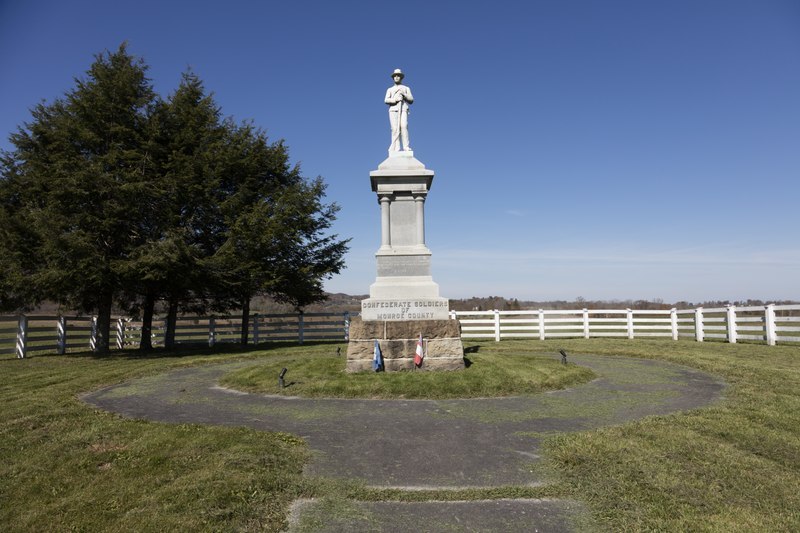
The Lost Cause Myth, A Cycle of Historical Distortion and Racial Oppression. At The Start of The Jim Crow Era.
The Lost Cause myth and the Jim Crow era, two intricately woven threads in the fabric of American history, share a complex and troubled relationship. Emerging from the ashes of…
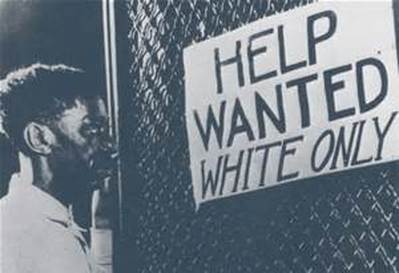
Invisible Shackles: The Impact of Black Codes on African Americans In The Years Immediately Following the Civil War.
After the Civil War, as the nation grappled with the aftermath of slavery, the question of freed Black people’s status in the South remained unresolved. The Black Codes were created,…
Forced Labor and Legal Loopholes: Conviction and Forced Labor After the 13th Amendment and Vagrancy Act of 1866
The Vagrancy Act of 1866 and the 13th Amendment are connected through their impact on the legal status and treatment of individuals considered vagrants or prisoners, particularly in the context…